

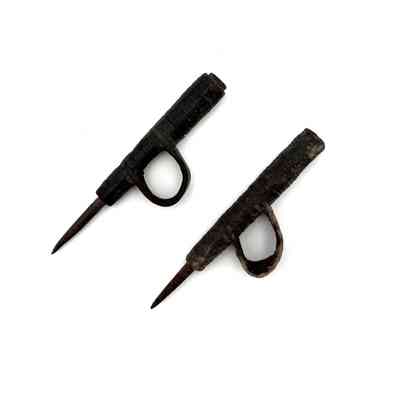
Husking Pegs
Cast iron spike wrapped with leather with leather loop handle.
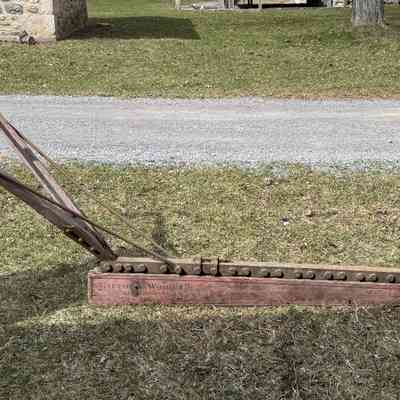
Ice Plow
Ice plow with wooden sleeve. The plow was pulled behind a horse to score the ice in a grid pattern before a saw was used to cut through the thickness of the ice to make blocks.
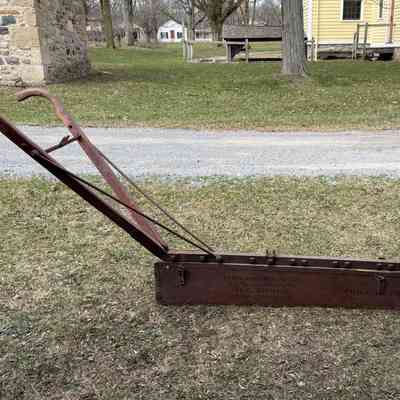
Ice Plow
Ice plow with wooden sleeve. The plow was pulled behind a horse to score the ice in a grid pattern before a saw was used to cut through the thickness of the ice to make blocks.
Ice Saw
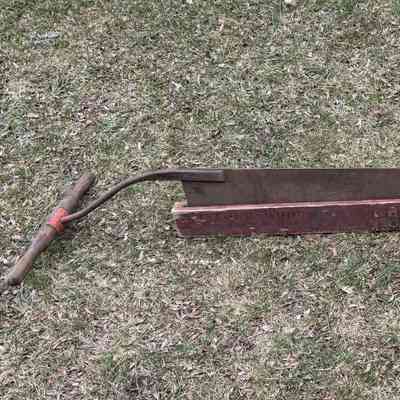
With its 4 foot long blade and sturdy handle this saw was made for cutting through thick ice. After the ice was scored with an ice plow the saw would be used to cut blocks of ice, usually around 24 - 30" wide, which would be transported to ice houses or insulated barns where it would remain frozen for some time. Ice could be delivered to households to store in the icebox to keep food preserved longer.
Incense Burner
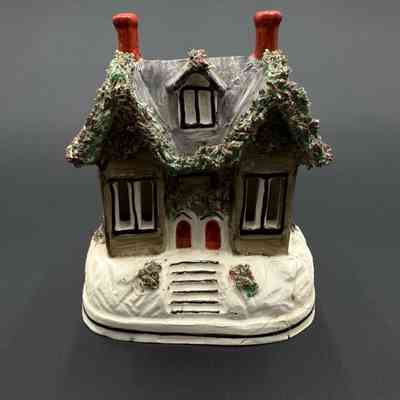
Staffordshire style ceramic incense burner. English cottage draped in vines with two double windows and two Gothic red doors on the front. Two red chimneys and two-vine-trimmed gables.
Indenture, Daniel McVean
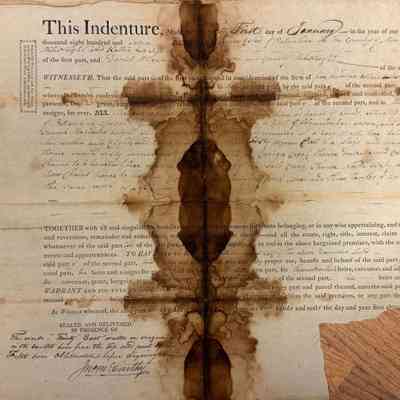
One indenture stipulating the purchase of land in Palatine, NY by Daniel McVean in 1807.
Indian Sisters, The
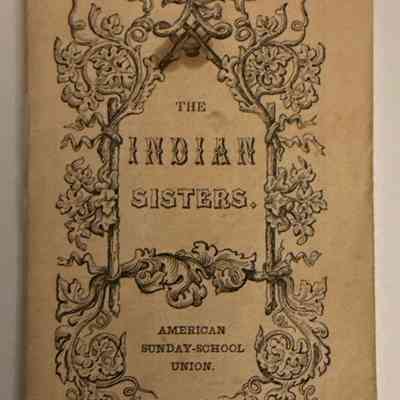
Small 16-page Sunday School tract.
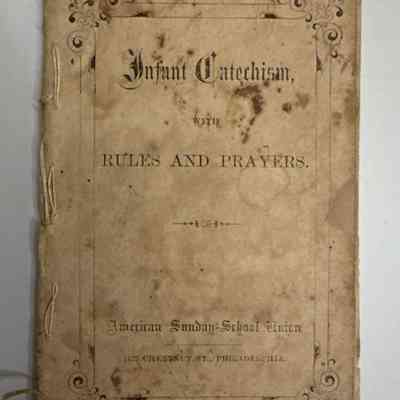
Infant Catechism, with Rules and Prayers
Small 16-page Sunday School tract.
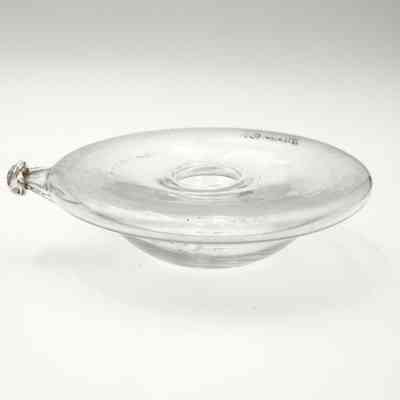
Infant Feeder
Clear glass, blown, baby feeder. Circular glass with an opening in the top with a mouthpiece for feeding.
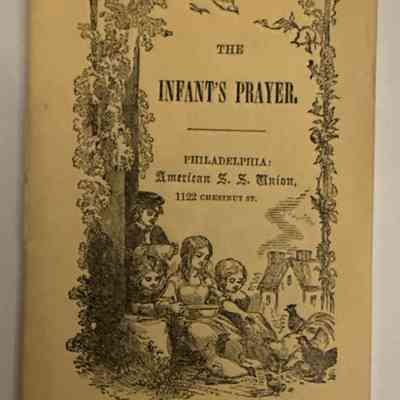
Infant's Prayer, The
Small 16-page Sunday School tract.
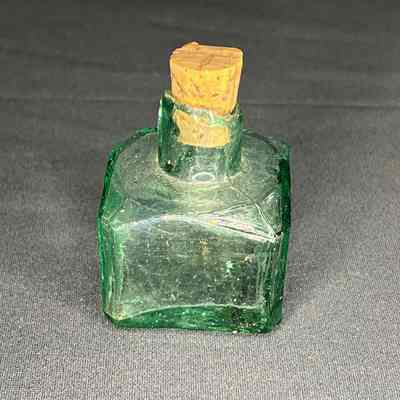
Ink Bottle
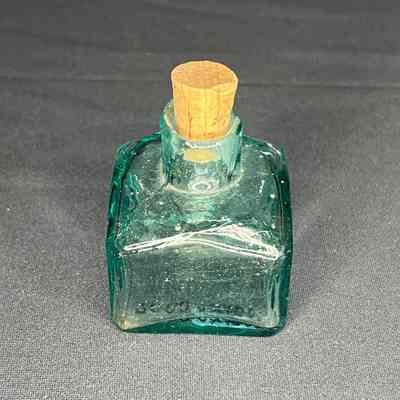
Square, green, four-part blown/molded glass bottle with beveled edges. Top surface has central circular decoration and angled beveled corners from circle to sides of bottle. The neck of the bottle rises from the center of the top, in 'burst top' formation. Edge of neck is rough/sharp glass. Small cork stopper.
Ink Bottle
Square, green, four-part blown/molded glass bottle with beveled edges. Top surface has central circular decoration and angled beveled corners from circle to sides of bottle. The neck of the bottle rises from the center of the top, in 'burst top' formation. Edge of neck is rough/sharp glass. Small cork stopper.
Inkwell
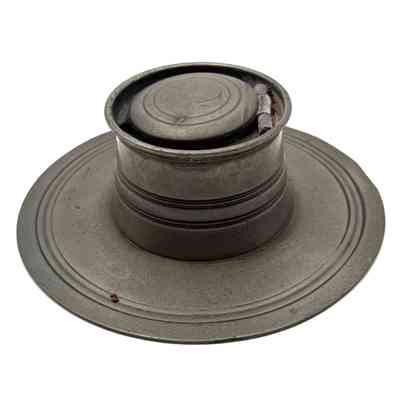
A pewter inkwell with a glass liner and five holes for holding pens..
Inkwell
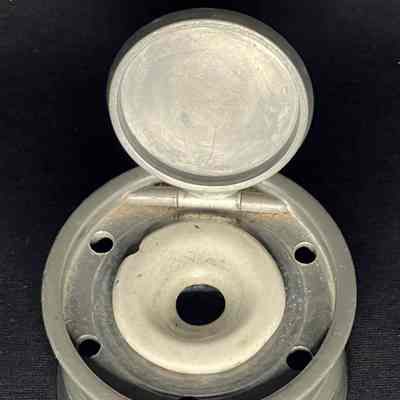
Hinged cover and five holes for pens around top between cover and edge; white porcelain liner; impressed on bottom of ink well: a crown with the letter S on the left side of it and the letter O on the right side.
Inkwell
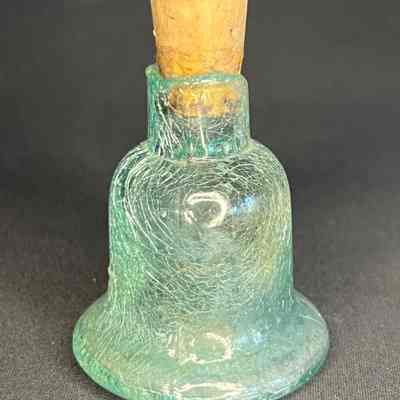
Aqua colored bell shaped inkwell.
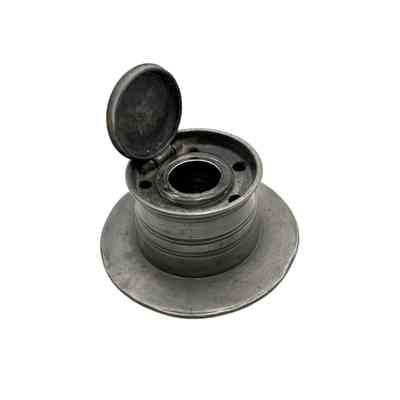
Inkwell
Metal inkwell with small glass container sitting inside to hold ink.
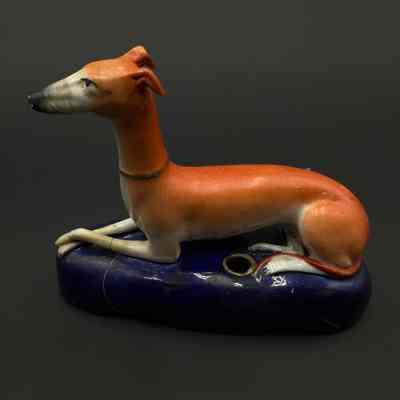
Inkwell
A ceramic inkwell in the form of a whippet lying down.
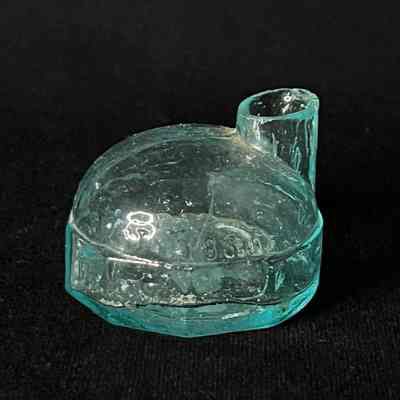
Inkwell
Glass inkwell.
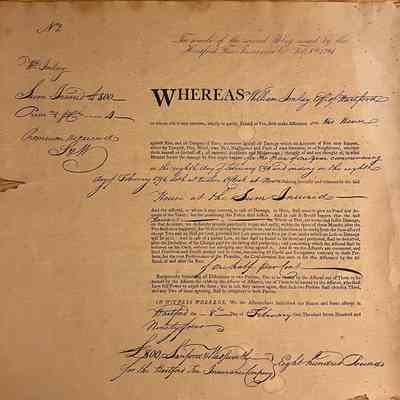
Insurance Policy
19th century facsimile of the second insurance policy written by Hartford Fire Insurance Co. Feb 8th 1794. Policy made out to William Imlay of Hartford, Connecticut for insurance on his house for $800.
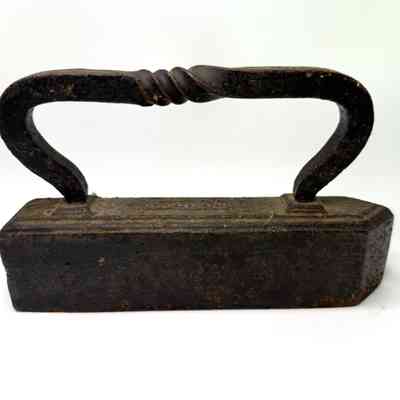
Iron
Iron with molded edges. Handle twisted at the center.
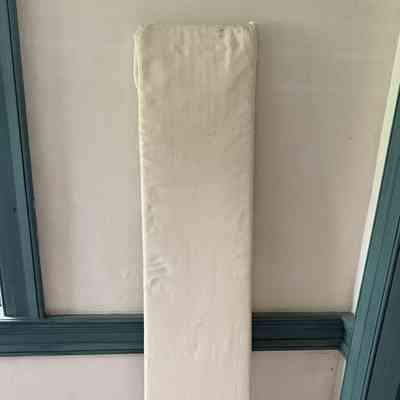
Ironing Board
Shaped ironing board with saw-horse type of construction on support.
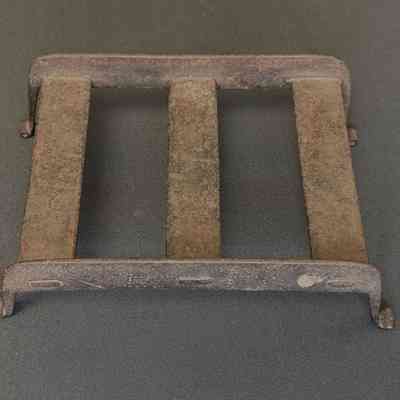
Ironing Trivet
Trivet with four legs and three bars to support a sad iron.
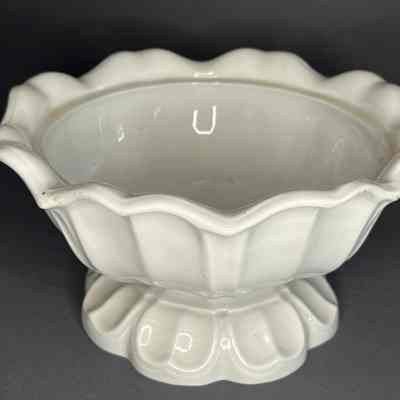
Ironstone Compote
One white ironstone compote that is missing its lid. The body is fluted with a scalloped rim. A ledge is on the inside edge to hold the missing lid in place. The footed pedestal is heavy and scalloped.
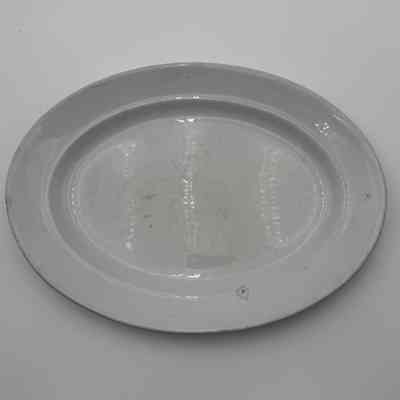
Ironstone Platter
Oval white ironstone platter.
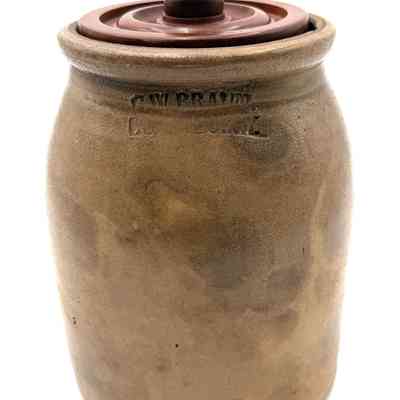
Jar
Stoneware jar with interior Albany slip glaze. Mostly straight-sided, rounding slightly to a thick lip. Poor impression of maker's mark. Replica wooden lid, turned with several decorative ridges and grooves, and turned wooden knob that is a different wood.
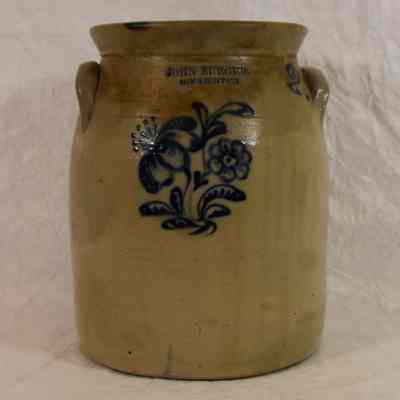
Jar
A two gallon jar marked "John Burger, Rochester"; decorated with a smale cobalt blue pair of flowers and the number 2.
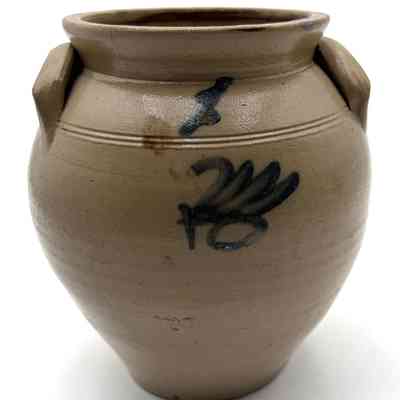
Jar
One gallon stoneware jar with a full body that tapers to a narrower base; unmarked expect for a small abstract design near the top.
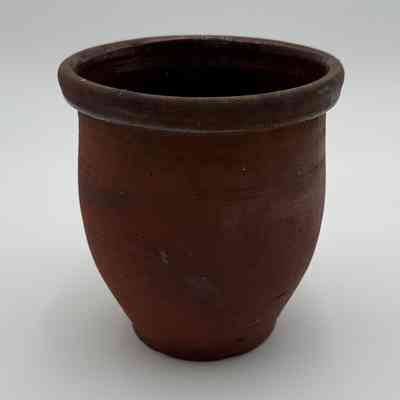
Jar
Redware food storage jar.
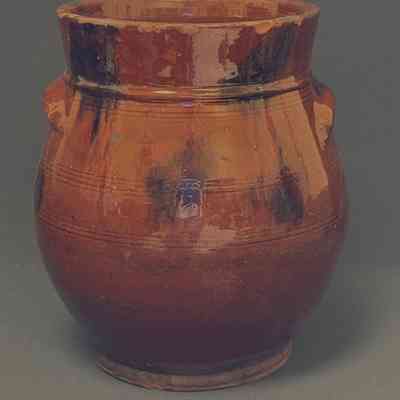
Jar
A wheel-turned redware jar with a clear lead glaze, decorated with black manganese brush drips and featuring ear-like handles.
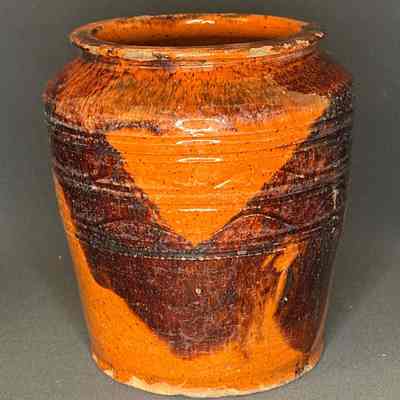
Jar
Jar with clear lead glaze over orange clay with lathe banding decoration and a wide, wavy band of manganese brown.
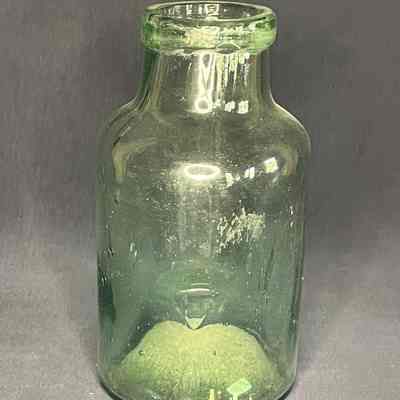
Jar
Green glass jar.
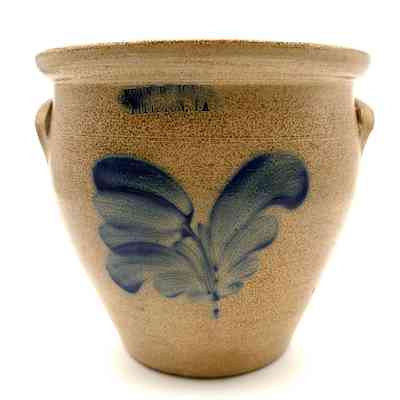
Jar
Beige Pennsylvania stoneware jar with a round base that gets wider towards the top. Thick rimmed with applied strap handles and a cobalt floral decoration at the front.
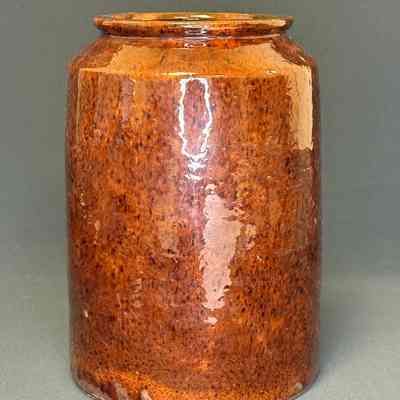
Jar
Redware. Straight-sided body tapering to a top lipped edge. Mottled red brown and dark brown glaze on a red earthenware body.
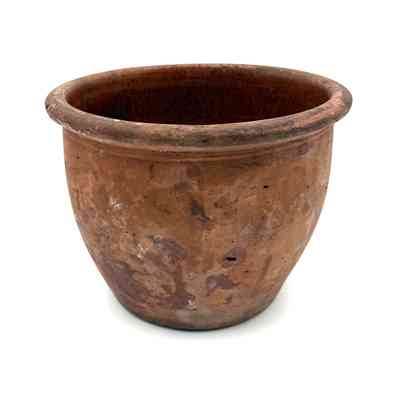
Jar
Jar with unglazed exterior. Glazed interior.
Jar
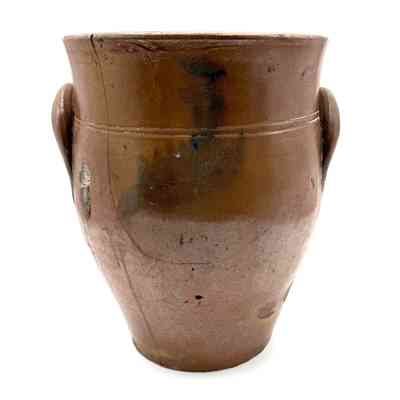
Bulbous jar with two ear-like handles. Over fired. Color of the body is red-tan with a cobalt blue plume for design. Interior glazed with Albany slip.
Jar
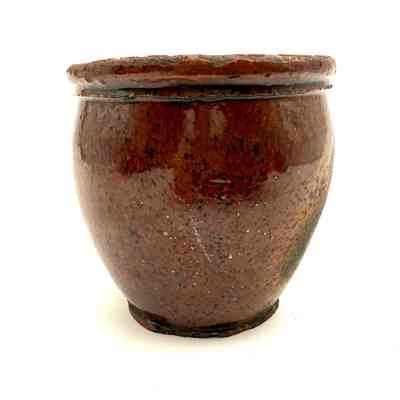
A miniature redware jar. A rolled lip and single band below lip.
Jar
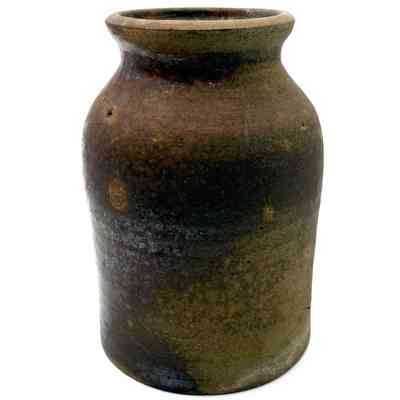
Deep red-amber glaze storage jar.
Jar
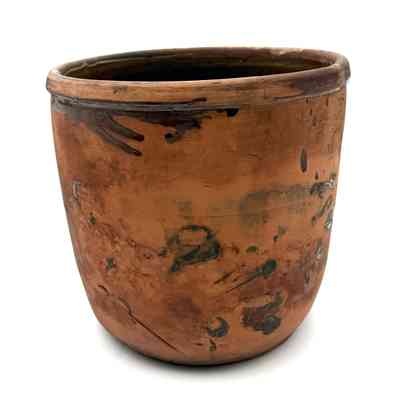
Jar. Glazed on the interior only with a light, pea green, lead glaze.
Jar
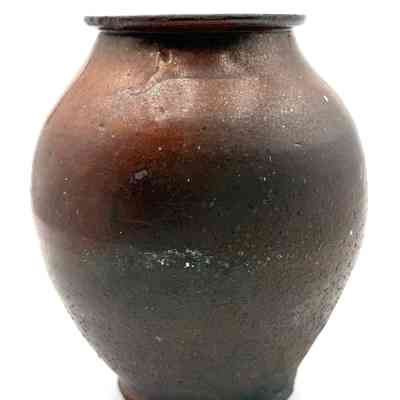
Stoneware jar with orange glaze with deep brown specks. Bulbous form with flared rim.
Jaw Harp
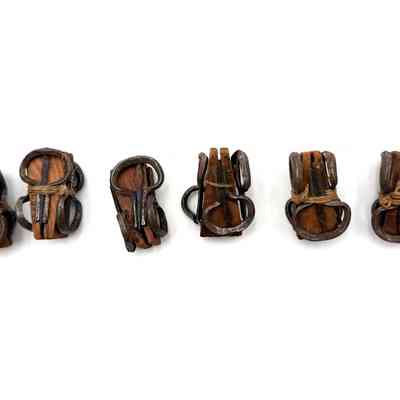
These jaw harps are child-size and are of hand-wrought steel.
Jewelry Box
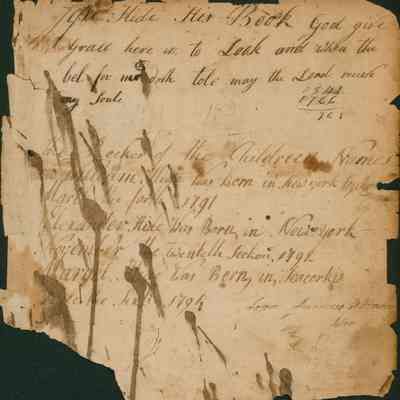
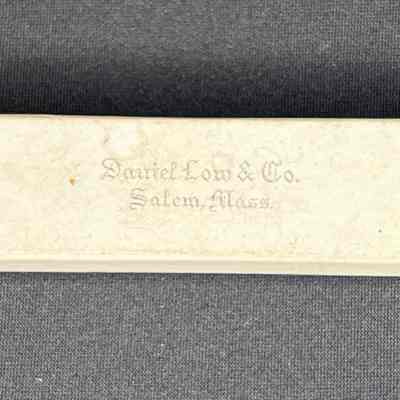
Small, cream colored box that once contained jewelry or a souvenir spoon. Daniel Low & Co. Salem, Mass.
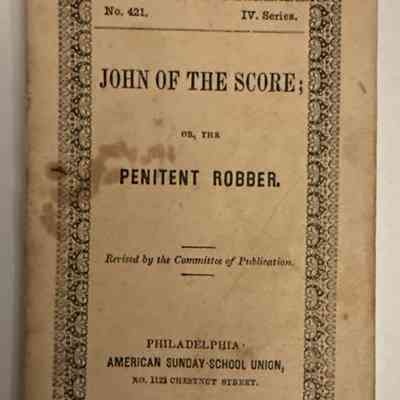
John of the Score; or the Penitent Robber
Small 16-page Sunday School tract. Series IV, Number 421. Two small bookmarks cut out of a program were between the pages.
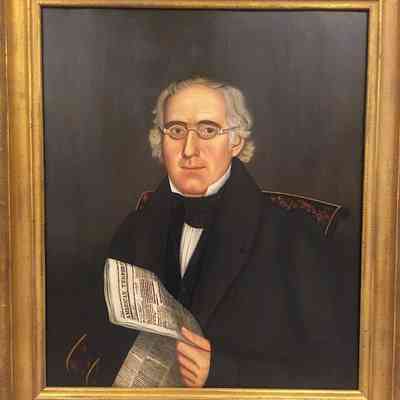
Judge William Baker Brown
Portrait of Judge William Baker Brown. He is sitting in a fancy painted chair with the "American Temperance Intelligencer" dated 1835 in his hand. Artist unknown, however it is attributed to Milton Williams Hopkins or Noah North.
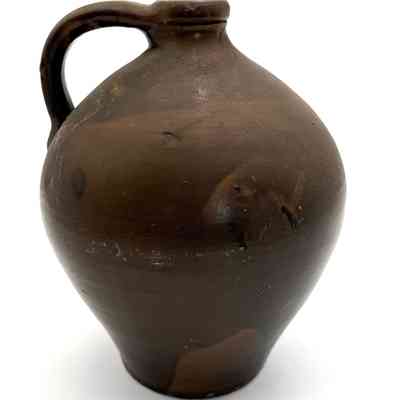
Jug
Bulbous jug with handle. Covered with brown Albany slip glaze.
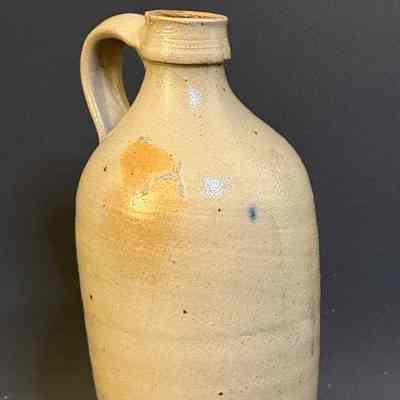
Jug
Jug with straight sides, sloping shoulder, and 3/4" collar. Strap handle applied from neck to body below shoulder.
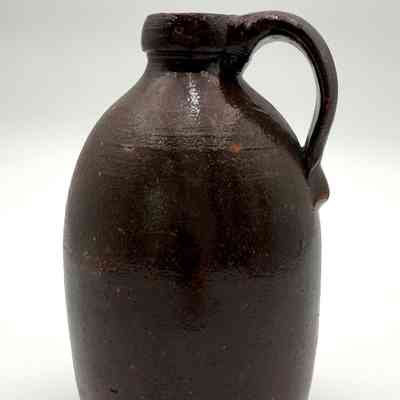
Jug
Albany slip glaze and strap-type handle. Unmarked but attributed to Erie County, possibly Lorenzo Johnson.
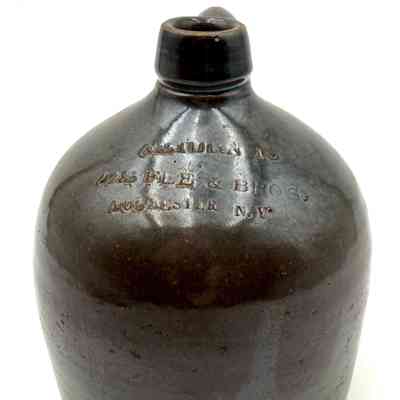
Jug
One stoneware jug with a cylindrical body with sloped shoulders. Albany slip-glazed.
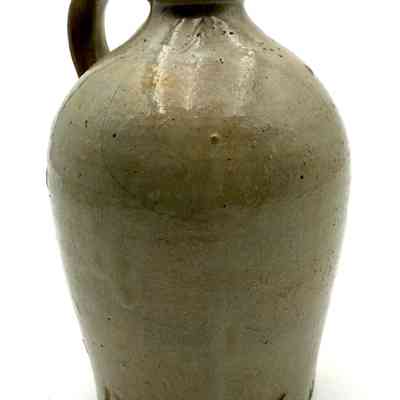
Jug
Red earthenware mixed with whitish stoneware clay, gray/green glaze overall.
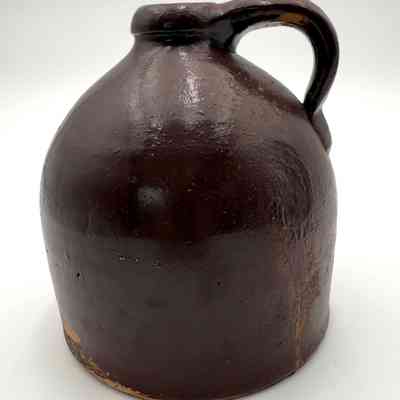
Jug
Jug with brown glaze, Albany slip.
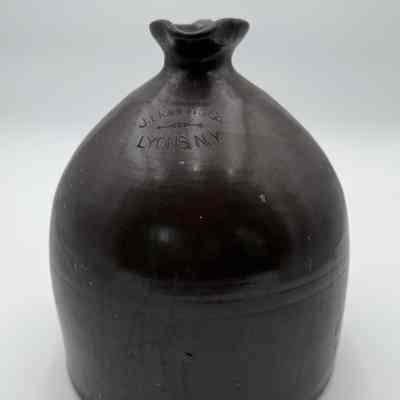
Jug
Stoneware jug with dark brown Albany glaze.
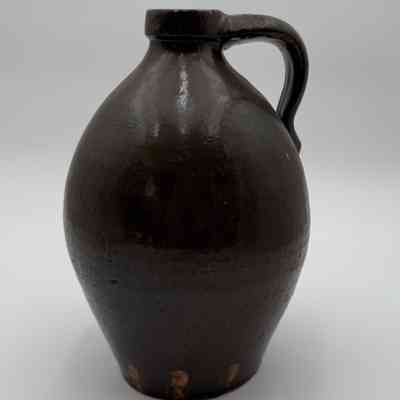
Jug
Brown glazed jug which appears to be a variant of Albany slip. Ovoid shape with imprint of the potters four fingers and thumb at the base.
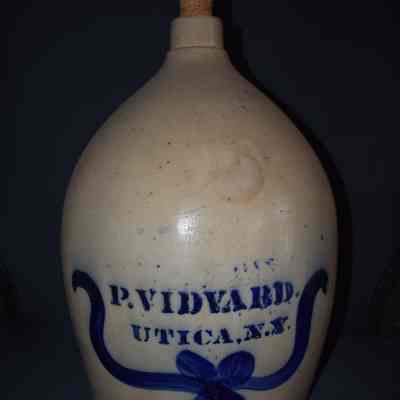
Jug
Bulbous shaped stoneware jug stenciled on side in cobalt blue over a ribbon.
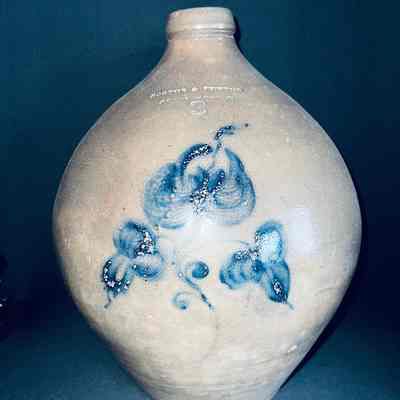
Jug
Three gallon stoneware jug with blue flowers and handle.
Jug
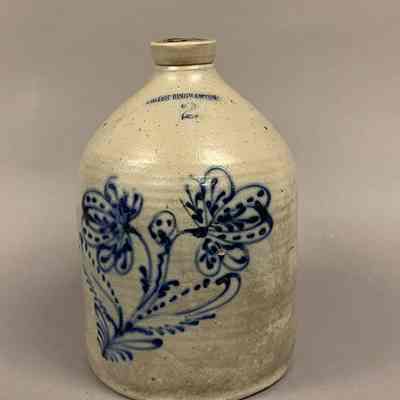
Stoneware 2 gallon jug. Large cobalt floral decoration.
Jug
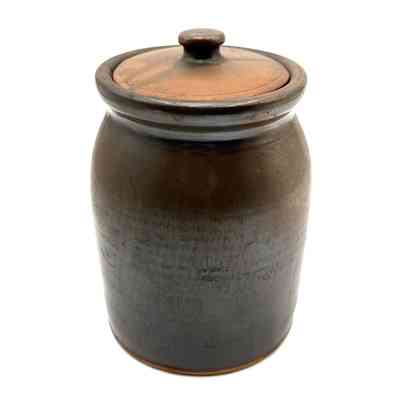
A brown redware jug with a glossy brown glaze. The lid is topped with a simple finial.
Jug
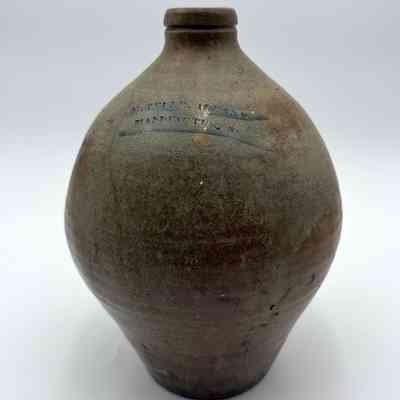
Tan, bulbous hand-thrown jug with strap handle attached at the neck and shoulder. Cobalt blue pressed mark impressed on face of jug.
Jug
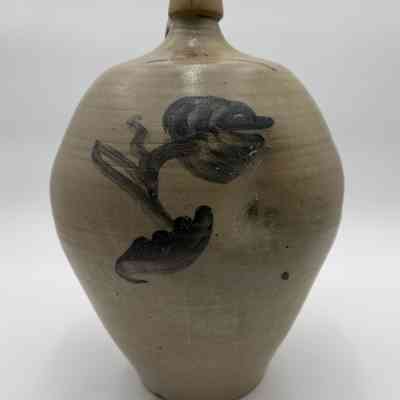
Three-gallon capacity stoneware jug with small neck and handle. Greenish-gray body and interior coated with dark brown Albany slip. Cobalt blue twin leaf decoration. Manufacturer flaw on side where piece was "dented" before the firing process.
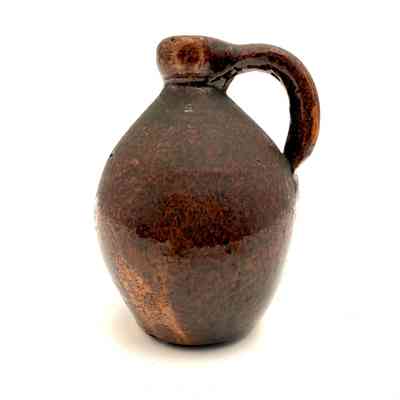
Jug
A miniature redware jug with a bulbous body that tapers at the bottom. Head is narrow and body tapers towards head. Single handle. Glaze is thicker towards the bottom than the top.
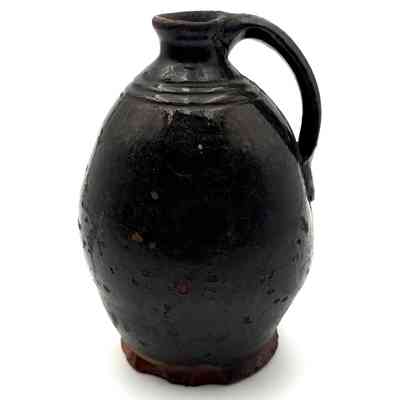
Jug
Molasses jug with dark brown glaze.
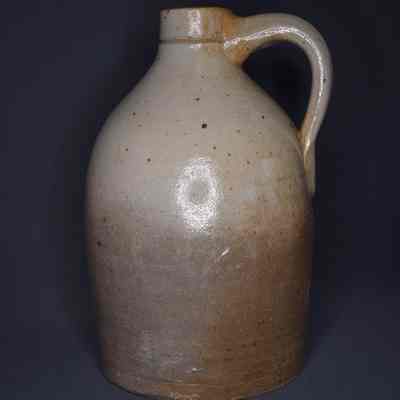
Jug
A salt glazed gray thrown stoneware semi-ovoid jug of unknown manufacture. The jug has a rimless collar with an unglazed mouth and a deep incised line at the throat. The handle of the jug is pulled on from the collar, supported by extra clay at the neck, and laid on in a C curve to an attached end. The base of the jug is haloed in light greenish-brown, an area where fly ash and/or salt vapor has overglazed. The upper portion of the jug is spattered in brown. The jug then extends downward to an flat unglazed base. The jug has a corn cob fragment inside, probably used as a stopper.
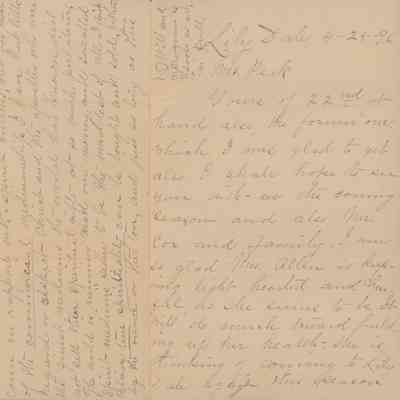
Julia Hyde Letter
Letter from Julia E. Watson Hyde to Mary Arabella Peck, wife of Frederick A. Peck. Mary and Frederick were first cousins and both were distant cousins of Henry Jones Peck of Jones Farm which sits on the property of the GCV&M.
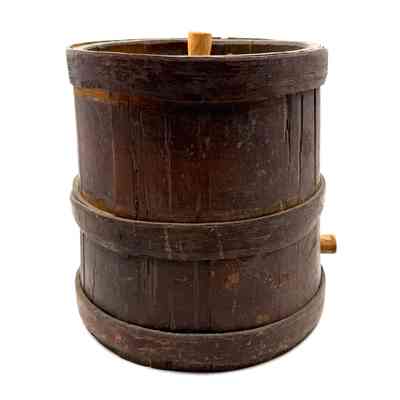
Keg
Reinforced keg with three bentwood hoops. Holes drilled in the top and bottom of one side with corks in place.
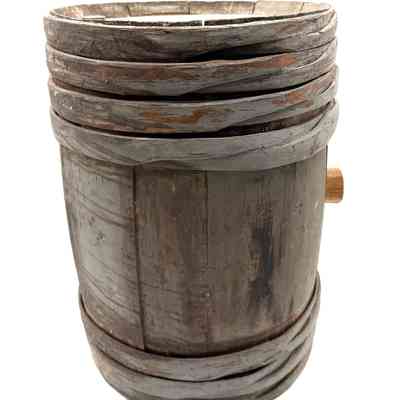
Keg
Painted wood and metal keg with 7 hoops and a plug on its side. Tacks in the form of a horseshoe surround small top plug.
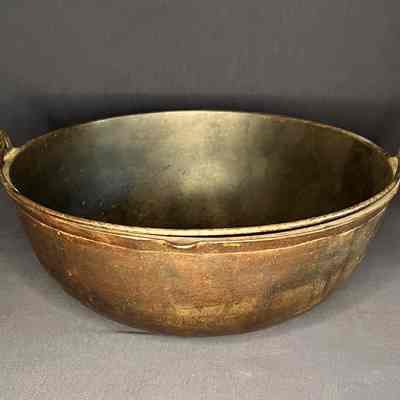
Kettle
One cast iron kettle with bail handle, standing rim and two lugs. On bottom: "4 D".
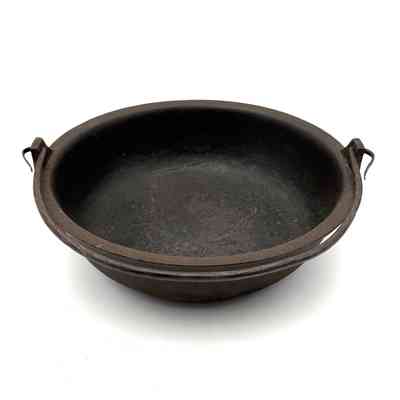
Kettle
One shallow cast iron kettle with wrought iron handle. The bails extend from this rim. The bottom has a gate type sprue.
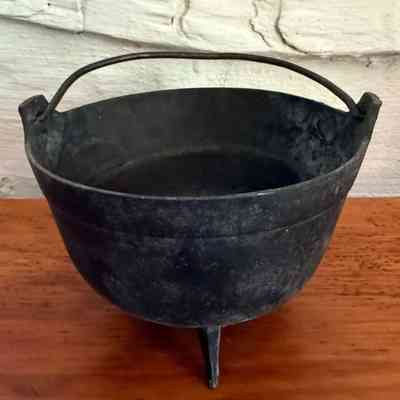
Kettle
Kettle Three-footed cast iron kettle with wrought iron handle. Exterior and handle painted black. Ridge on bottom from casting. Wrought iron strap riveted to itself and wedged in place with six nails.
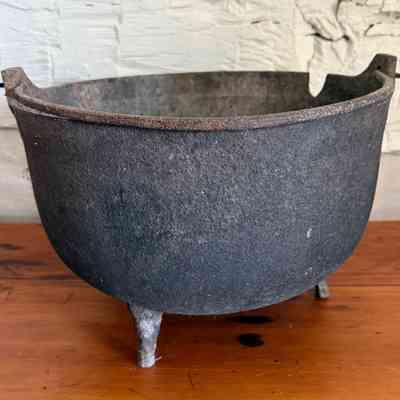
Kettle
Bulbous kettle with three feet. Wrought iron handle fits through holes in sides of kettle and loops at ends.
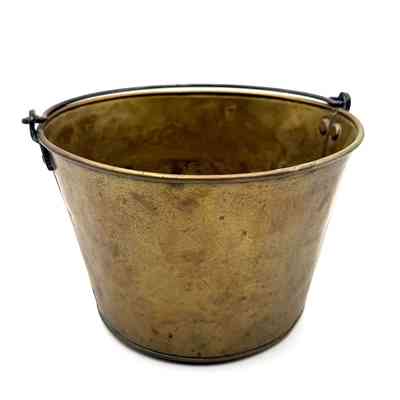
Kettle
One small brass kettle with cast bail lugs and iron wire bail handle. Made of three pieces, one for bottom and two for sides. Joints are overlapped seams, not dovetailed. Piece appears to be hand-hammered, not spun.
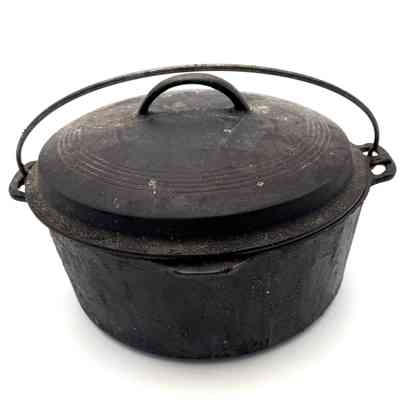
Kettle
Flat bottomed kettle with bail handle and flat sides. Ears into which handle fits have two holes.
Kettle
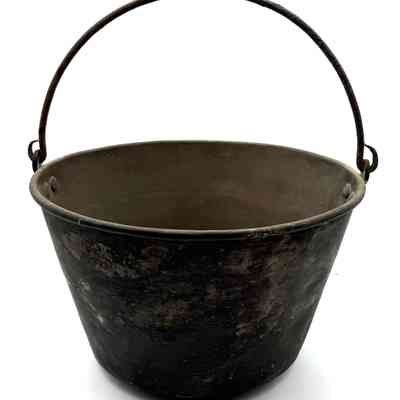
Handwrought brass kettle with wrought iron bail handle.
Kettle
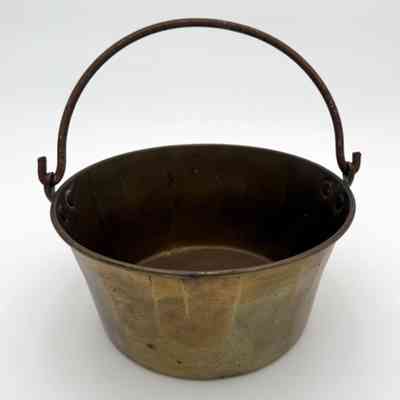
Brass kettle with iron bail handle .
Kettle
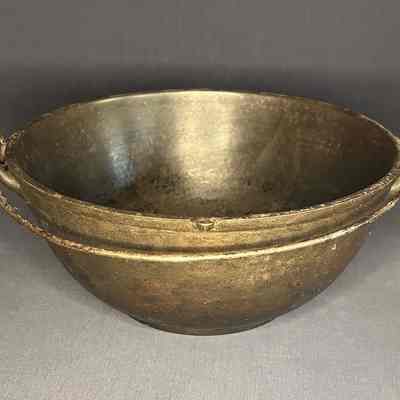
One small cast iron kettle with standing rim, no legs, with wire bail handle. It has a raised sprue line across the base. It has small "ears" projecting from the rim on the opposite sides for handle attachments.This kettle has a raised number "8" on the base.
Kettle
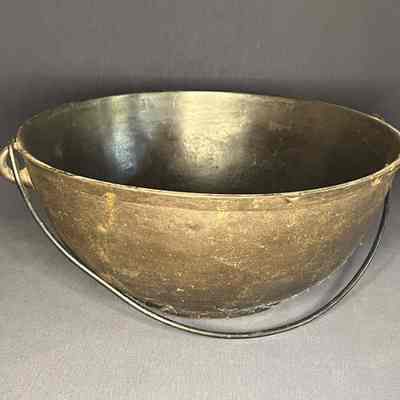
One medium cast iron kettle with standing rim, no legs, with wire bail handle. It has a raised sprue line across the base. It has small "ears" projecting from the rim on the opposite sides for handle attachments.
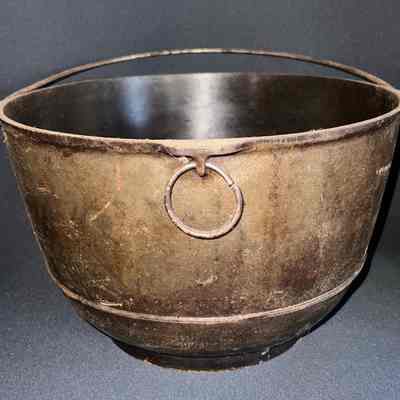
Kettle
Kettle with bail handle, ring foot, and hanging/tipping ring.
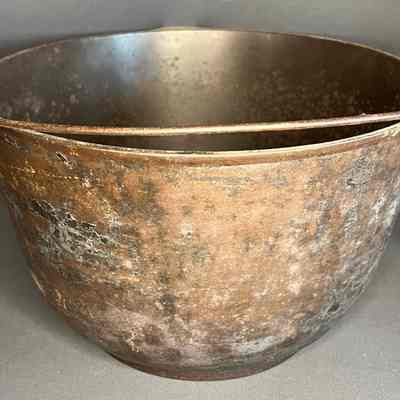
Kettle
Kettle with bail handle and ring foot bottom, and hanging/tipping ring.
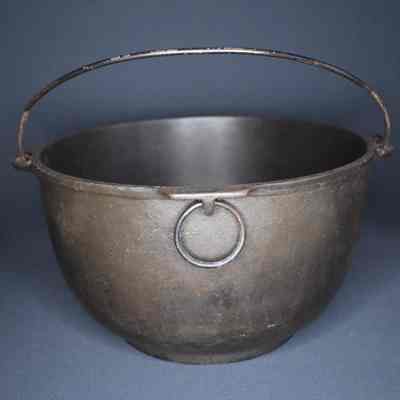
Kettle
Kettle with bail handle, ring foot, and hanging/tipping ring.
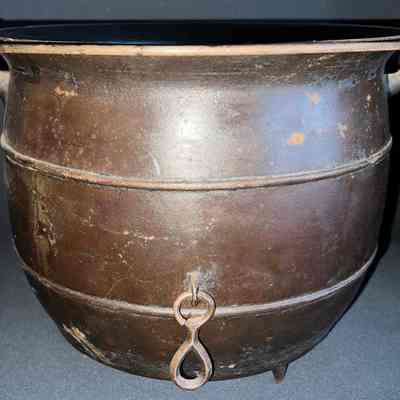
Kettle
Steep sided kettle with two beaded rings around exterior and wire bail handle. Side iron clip for hanging in a figure eight shape and three small, pointed feet.
Kettle
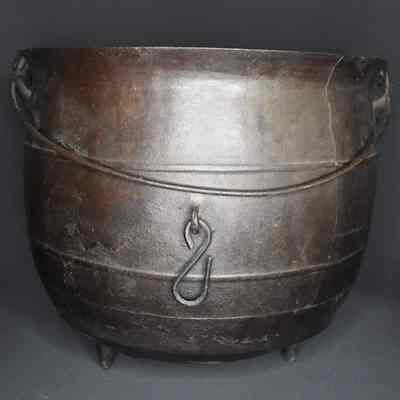
Cast iron kettle with bail handle, three legs, tipping hook and two decorative bands.
Kettle
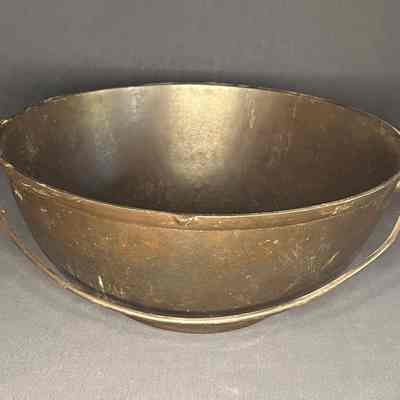
One cast iron kettle with a wire handle attached to kettle with iron "ears".
Kettle
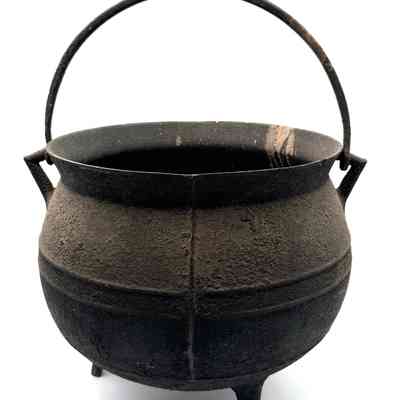
Bulbous, three legged kettle with square iron handle with hole in top center for pot hook.
Kettle
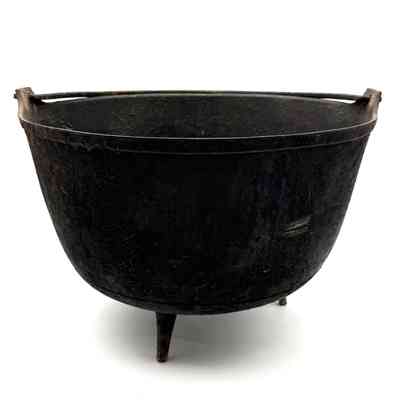
Kettle Three small feet, swing handle
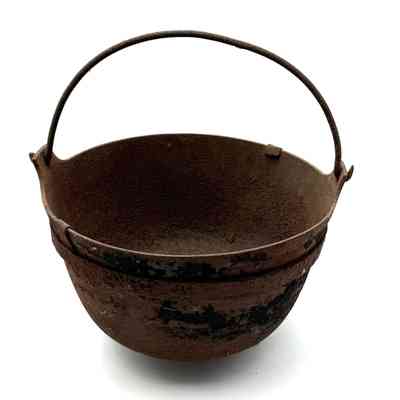
Kettle
Three-legged kettle and a wire bail handle. Bank of iron for reinforcement on the exterior.
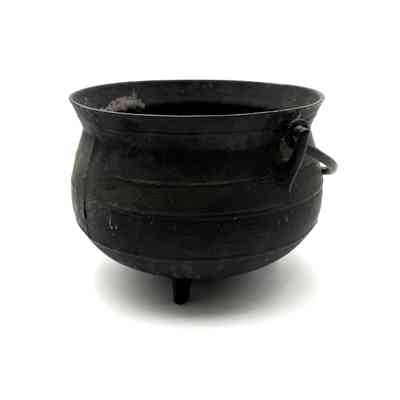
Kettle
Bulbous pot over 3 legs with flaring collar and bail handle.
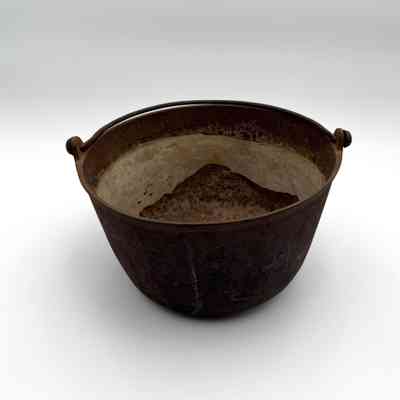
Kettle
Kettle with bail handle. Marked on bottom "10 Qt".
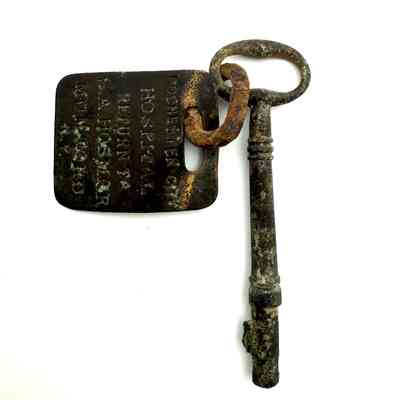
Key, S.A. Hosmer
A key unearthed in a field on Hosmer Road, Churchville, New York (at that time part of Mumford). They key has a tag that is engraved, "Rochester City Hospital Return to S.A. Hosmer Mumford".
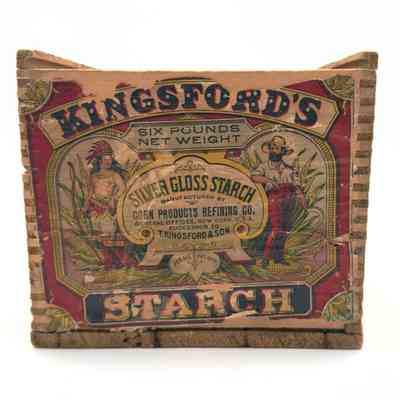
Kingsford's Starch Crate
Kingsford's Silver Gloss Starch wooden crate. Features dovetailing and a color label. No lid.
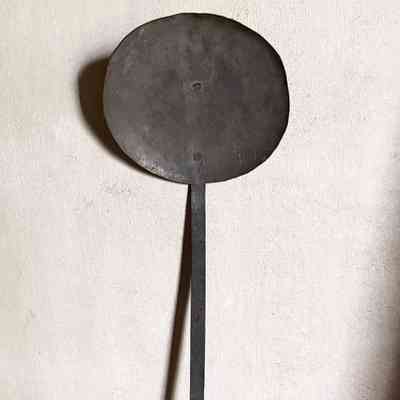
Kitchen Ladle
Flat shaped bowl with hole in handle for hanging. Impressed at the base of the handle on the bottom of the bowl: "..T," "6," "6".
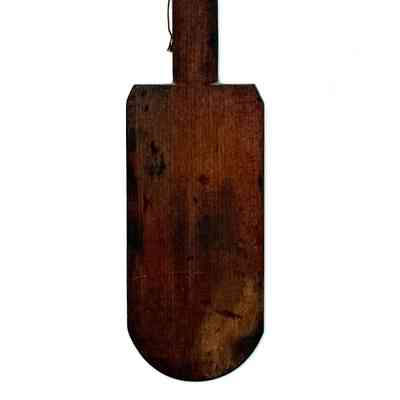
Kitchen Paddle
Hand carved wooden paddle or spatula.
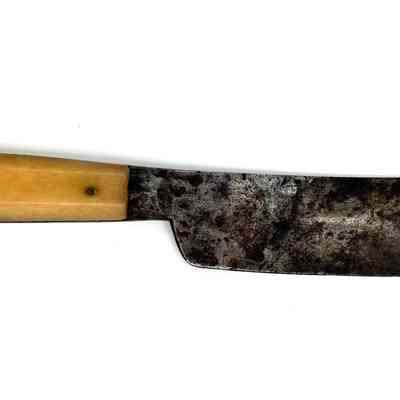
Knife
Knife with a shaped blade with rounded end. Yellow bone handle with three brass rivets.
Knife
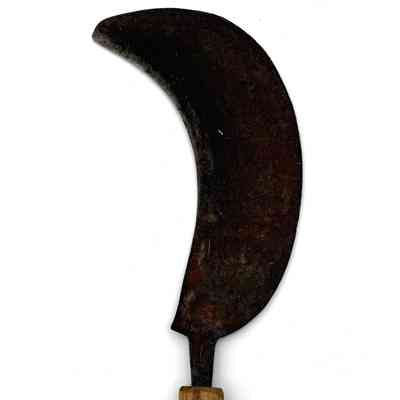
Flat curved blade knife with wooden handle. Inside of curve sharpened. "PDR" stamped into blade.
Knife
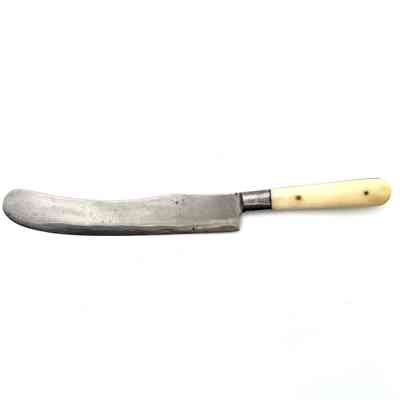
One reproduction spatulate knife with a bone handle and steel blade. The ivory handle is attached to the tang with two brass rivets.
Knife
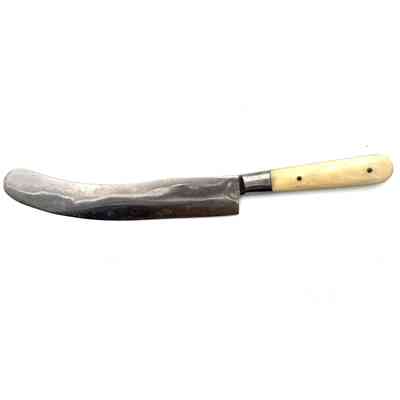
One reproduction spatulate knife with a bone handle and steel blade. The ivory handle is attached to the tang with two brass rivets.
Knife
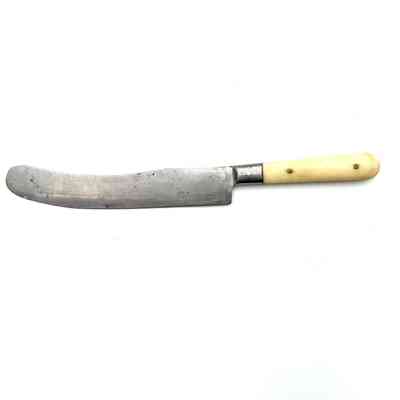
One reproduction spatulate knife with a bone handle and steel blade. The ivory handle is attached to the tang with two brass rivets.
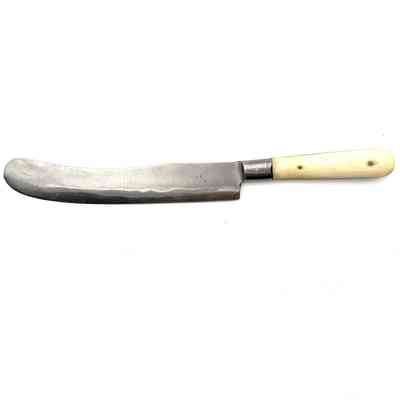
Knife
One reproduction spatulate knife with a bone handle and steel blade. The ivory handle is attached to the tang with two brass rivets.
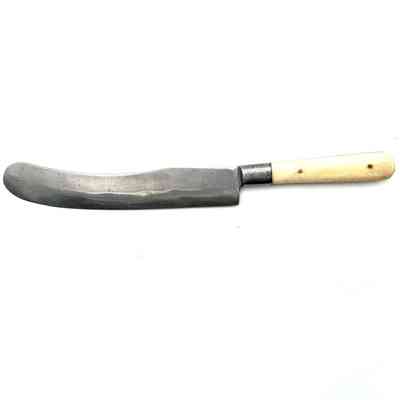
Knife
One reproduction spatulate knife with a bone handle and steel blade. The ivory handle is attached to the tang with two brass rivets.
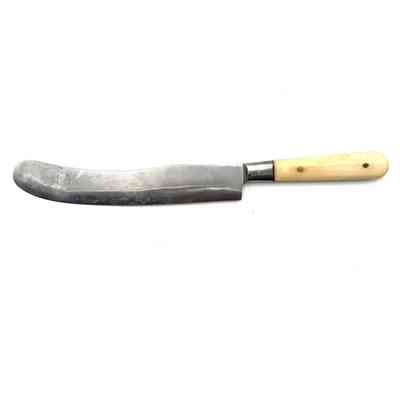
Knife
One reproduction spatulate knife with a bone handle and steel blade. The ivory handle is attached to the tang with two brass rivets.
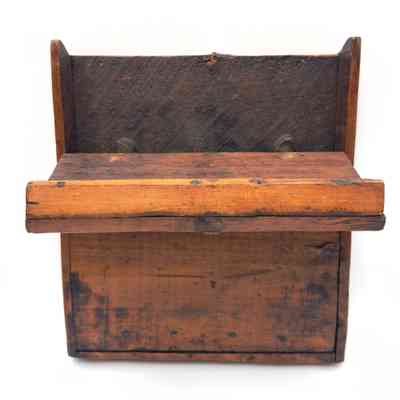
Knife Box
Wooden Knife box. The box is hinged with leather straps secured by nails. Remnants of a leather strap that was used to hold the box closed can still be seen. The interiors had 5 slots for holding knives or other silverware.